Preparing Your Child for an Eye Exam
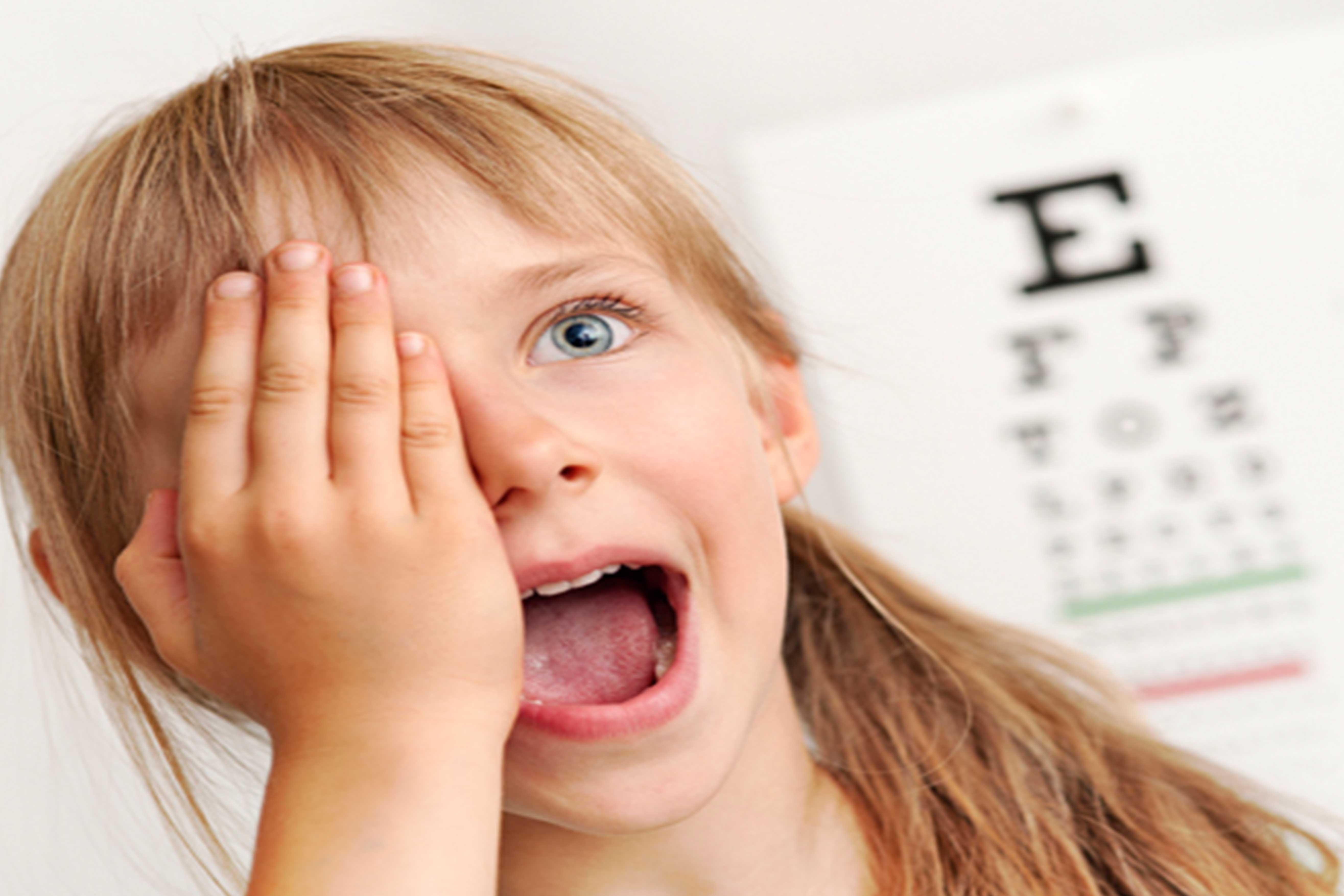
The American Optometric Association (AOA) recommends that a child have his or her first eye examination by six months of age. However, most parents wait until around the fourth birthday to have their child's eyes examined professionally. Parents commonly believe that vision screenings performed in preschools and public schools are comprehensive eye exams, when in reality they are simply vision "checks." Although vision screenings are important, they in no way replace a comprehensive eye exam.
Many parents ask how they should go about preparing a toddler or young child for their first eye exam. The truth is, some parents often have more apprehension than their child. Following are a few tips for reducing anxiety for both parents and children.
Show and Tell: Talk to your child about eyes and vision in general. Check your local library for children's books about the eyes. Try playing "I Spy" or other fun games that deal with the eyes. Help your child draw an eye chart on a large poster board for playing eye doctor...take turns being the patient. Practice putting eye drops into your child’s eyes, and your eyes as well, using a small bottle of artificial tears. When eye drops are instilled into his or her eyes at the doctor’s office, it won't be a total surprise. These ideas will get children to think about their eyes and how they use them. Some may even give you an idea of how your child may react in the exam room.
Take a Test Drive: If you already have an eye doctor you are comfortable with, schedule a "fun visit" to introduce your child. Most optometric offices are willing to schedule an appointment for your child to tour the office without actually having an eye exam. Many optometrists or ophthalmologists will allow your child to see the exam room, and possibly handle a few of the eye exam tools. Many offices have a "treasure trunk" full of little prizes for children. Reinforce the positive experience by allowing your child to pick one prize for each visit. (Your child may beg to go back!) If you do not already have your own eye doctor, schedule an exam for yourself to make sure you are comfortable with the doctor and office staff.
Relax: If you are apprehensive about your child's eye exam, your child will be too. Some parents tend to worry that their child may unintentionally give an incorrect responses and wind up getting glasses when they don't really need them. Pediatric vision is an advanced science and optometric physicians are well-trained in dealing with young children. Although examining a child's eyes and vision is sometimes a trying process, there are objective ways of determining whether or not a child needs corrective eyewear. Often, very little input is needed from the child.
Newborn Baby Eye Care

The tiny, delicate eyes of a newborn baby need proper care because it is important to keep them clean and healthy. Using a soft washcloth or a cotton ball and plain water, you can carefully cleanse your baby’s eyes. Dampen a cloth or cotton ball with a little bit of warm water. With the baby's eyes closed, gently wipe the eyes from the inside to the outside corners. Use a different part of the cloth or a new cotton ball for each eye. Some babies are born with blocked tear ducts.
A blocked tear duct causes tears to form in the eyes and roll down the cheeks. Blocked tear ducts should be evaluated by a pediatrician, as they may require treatment if an infection develops. However, most blocked tear ducts tend to open on their own during the first year of life.
How to Prevent Computer Vision Syndrome in Children
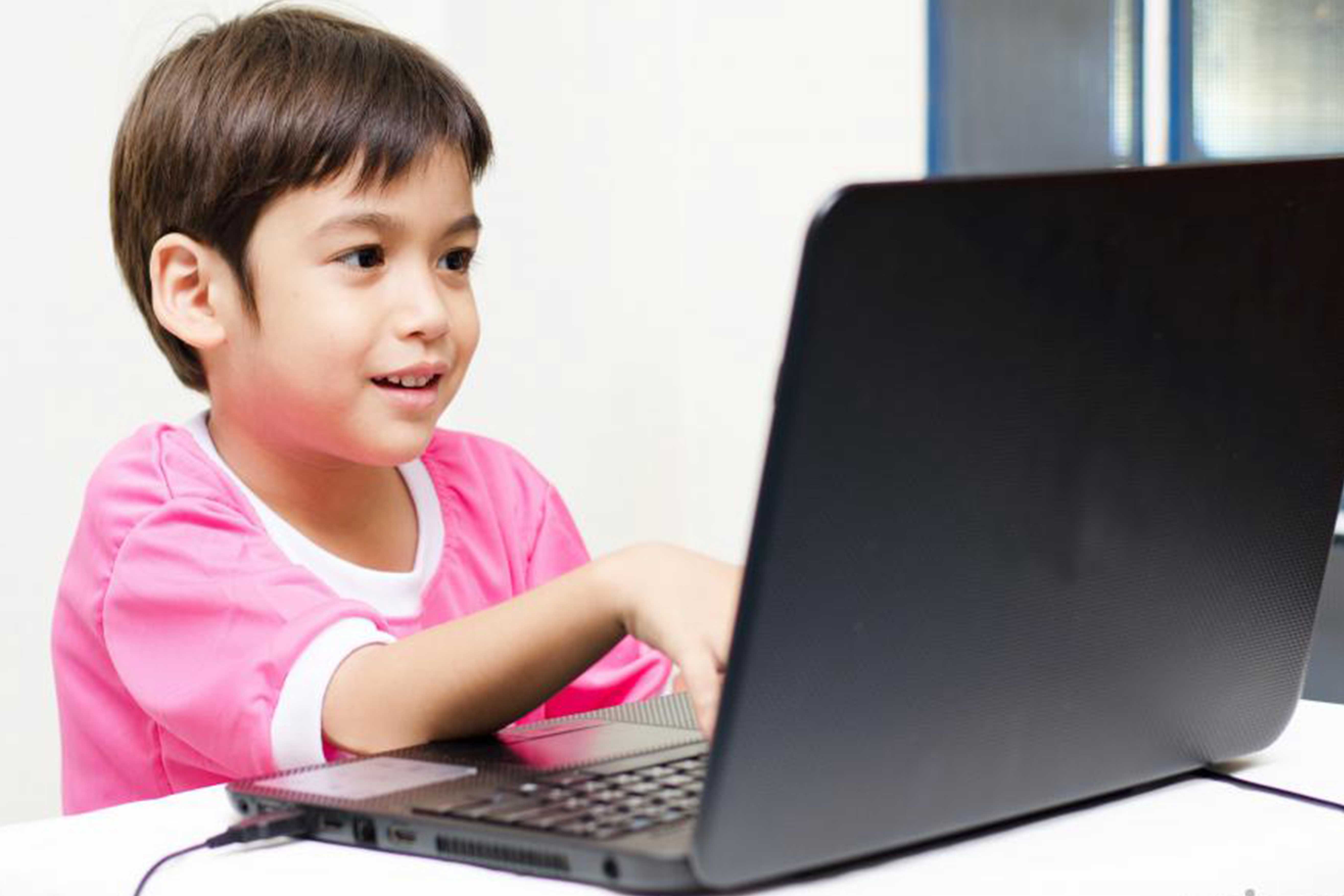
Many children use a computer every day. Sitting in front of a computer screen for extended time periods may cause strain on the eyes. When you look at a computer screen, your eyes actually focus behind the screen, forcing them to constantly adjust. Extensive viewing of a computer may cause bothersome symptoms in adults as well as children, such as eye discomfort, fatigue, blurred vision, and headaches. These symptoms, when associated with computer use, are referred to as computer vision syndrome (CVS). These tips will help prevent computer vision syndrome in children.
1. Watch for symptoms : Parents should be aware of symptoms that may indicate computer vision syndrome, such as eye redness, frequent eye rubbing, unusual postures, or complaints of blurriness or eye fatigue. Avoiding the computer may also be an indication that a child is experiencing discomfort from computer vision syndrome.
2. Check the lighting Make sure there is no glare on the computer screen. Windows or other light sources should not be directly visible when sitting in front of the monitor. When this occurs, turn the desk or computer to prevent glare on the screen. Close curtains or blinds to reduce the amount of light coming through your windows. Glare screens (available in office supply stores) can be added to a monitor to reduce glare, too.
3. Check the computer height Computer workstations should be arranged to suit your child--not an adult. The size of the child should determine where to place the monitor and keyboard. The computer monitor must not be too high for the child. The screen should be tilted slightly downward at a 15-degree angle. An adjustable chair that can be raised may solve this problem. A foot stool may also be necessary to support the child's feet. Keep in mind that the recommended distance between the monitor and the child is about two feet.
4. Limit computer useMonitor your child's time on the computer, watching for signs of fatigue. Children tend to have a minimum degree of self-awareness, often ignoring feelings of discomfort. Encourage your child to take frequent breaks. A 10-minute break every hour will allow the eyes to rest, minimizing the development of eye irritation caused by constant focusing and reduced blinking. (People tend to blink less often when concentrating, especially when working on a computer.)
5. Get an eye exam A comprehensive eye examination will determine if your child sees clearly and comfortably. An eye doctor can detect any hidden conditions that may cause eye strain. It is most important that near-point vision be checked carefully, as computer use is a near-point activity. If needed, the doctor may prescribe a pair of special glasses, called computer glasses, to be worn while working on the computer.
Kids' Vision and Learning
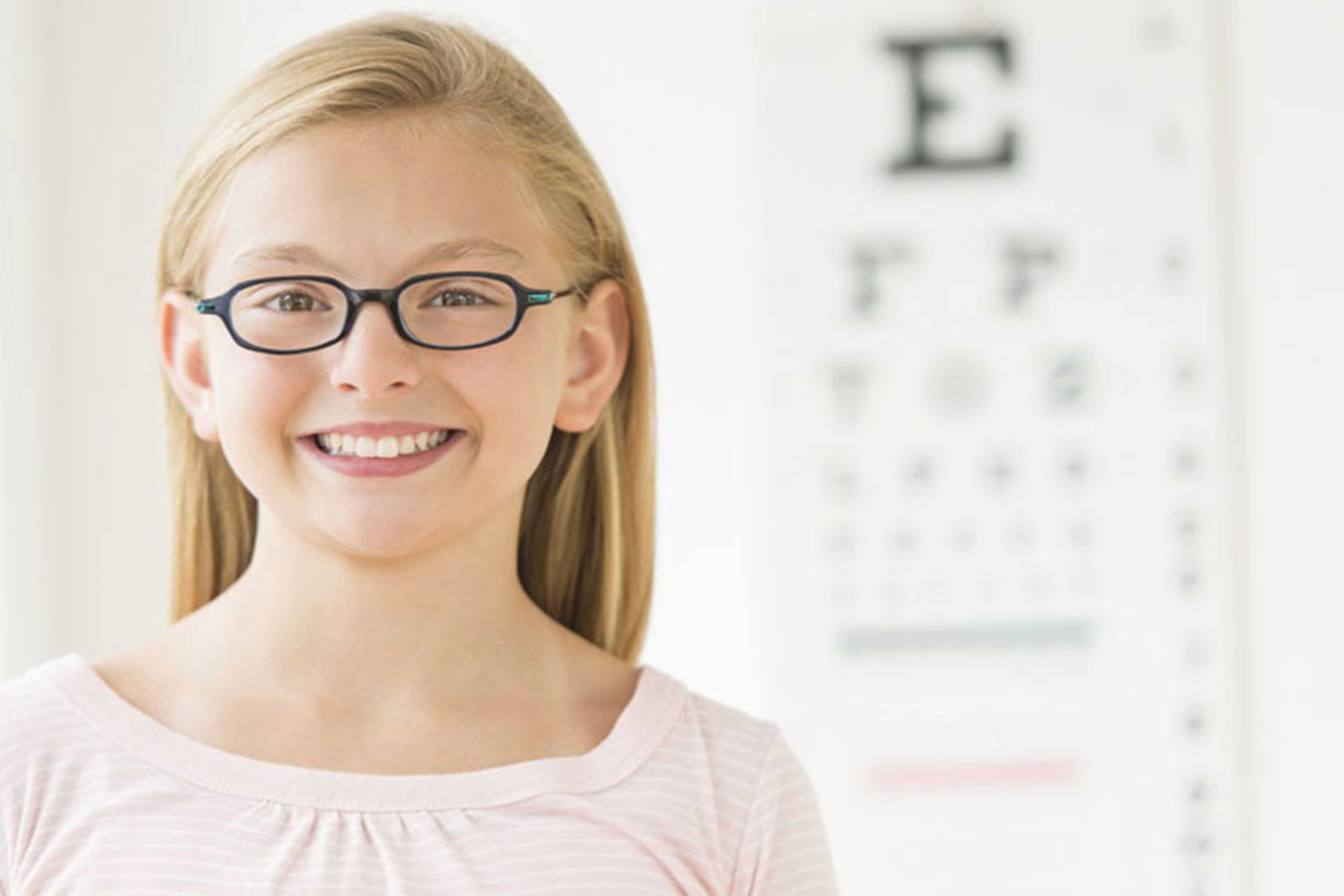
It's that time again...back to school for another year of learning. Eye doctors usually see a surge in children's and teen's eye examinations during September and October. Some parents get their kids in for eye exams before school starts. Others come in because they have undergone vision screening testing by school nurses and pediatricians and have discovered that their vision is not quite what it should be.
The ability to see clearly and comfortably can directly impact a child's performance both in and out of the classroom.
Changes in Vision : Vision changes sometimes occur so slowly that children don’t even realize them. However, about eighty percent of what a child learns in school is acquired through vision, so optimal vision is extremely important in the learning process.
Kids' Eye Exams : Comprehensive eye exams by an optometrist or an ophthalmologist are important because vision screenings only really check to see how well you see at a distance. Some vision problems can go undetected. Most people don’t realize the problems vision problems can cause for children, especially at school.
In addition to vision, eye doctors check the following during a child's eye exam:
Change in focusing: : Clear vision is important, but even more important is how fast our eyes can quickly and accurately change focus from distance to near. In a classroom setting, children are looking at close reading material, computerized chalk boards, and sometimes even tablets and laptops. It is important to be able to quickly change focus.
Visual tracking: Visual tracking involves how our eyes track things we are looking at like moving the eyes along a printed page when reading or following a moving object in the classroom.
Eye hand coordination Eye hand coordination is a visual milestone that some children achieve earlier than others. It involves how well our motor and nervous system communicate with each other
Visual perception : Visual perception involves the ability to organize images on a printed page into letters, words and ideas and to understand and remember what is read. This also involves how well children see when letters and paragraphs are crowded very close to each other.
Children's Eye Health In addition to vision and binocular vision disorders, an optometrist or ophthalmologist will also check your child’s eye health. Typically, special medicational eye drops will be instilled into their eyes to temporarily paralyze the focusing muscle inside the eye and widen the pupil to evaluate internal structures of the eyes.
Signs of Vision Problems Most of us don't think that classroom and learning disabilities can be caused by vision problems. But according to the American Optometric Association, one in four students in kindergarten through sixth grade has some type of undiagnosed vision problem that can interfere with their ability to perform in the classroom.
Signs your child may be experiencing a vision problem:
Squinting
Rubbing the eyes
Frontal headaches
Holding reading materials too close or too far away
Losing place while reading
Avoiding close work
Turning or tilting head
Making frequent reversals when reading or writing
Using finger to keep place when reading
Squinting while reading or watching television
Exhibiting lack of attention or fatigue during school