Top 5 Ways to Protect Eyes from the Sun

Unprotected exposure to the sun's ultraviolet (UV) rays can increase the risk of developing cataracts and damaging the retina, which could lead to total blindness. UV damage is cumulative, so the longer your eyes are exposed to UV radiation, the greater the risk of developing conditions such as macular degeneration later in life. However, it's never too late to begin protecting the eyes from the sun's harmful rays. Here are the top 5 ways to protect your eyes from the sun.
1. Wear protective eyewear :You should wear protective eyewear any time your eyes are exposed to UV light, even on cloudy days and in winter months. If you wear UV protective contact lenses, you still need to wear a pair of sunglasses to protect the area of the eye that is not covered by the lens.
2. Choose quality sunglasses : Look for sunglasses that offer good protection. Sunglasses should block out 99 to 100 percent of both UVA and UVB radiation and screen out 75 to 90 percent of visible light. Some of the higher-priced options with polycarbonate lenses claim to block 100 percent of the UV rays.
3. Inspect your sunglasses : Check to make sure your sunglass lenses are perfectly matched in color and free of distortion and imperfection. It is not necessary to spend a fortune on sunglasses to be properly protected. Just take the time to carefully inspect the lenses before you buy.
4. Wear gray-colored lenses : Gray-colored lenses reduce light intensity without altering the color of objects, providing the most natural color vision. Lens color is really a matter of preference--the most important feature to look for in a sunglass lens is how much UV radiation it absorbs.
5. Protect kids and teens : Do not forget protection for children and teenagers. They typically spend more time in the sun than adults. Children's sunglasses now come in an array of colorful designs, many modeled after adult styles.
UV Eye Safety

We protect our skin with sunscreen, but what about our eyes? Most of us are aware of the dangerous effects ultraviolet (UV) rays have on our skin, but few of us realize the danger imposed on our eyes. UV radiation, whether from natural sunlight or artificial UV rays, can damage the eye's surface tissues as well as the cornea and lens. UV radiation can burn the front surface of the eye, much like a sunburn on the skin.
UV Radiation
UV radiation consists of invisible rays from the sun. There are three types of UV radiation: UVA, UVB and UVC. UVC rays do not pose any threat, as they are absorbed by the ozone layer. However, exposure to UVA and UVB rays can have adverse effects on your eyes and vision. Short- and long-term exposure to these dangerous rays can cause significant damage damage.
Short-Term Effects of UV Radiation
If you are exposed, unprotected, to excessive amounts of UV radiation over a short period of time, you are likely to experience an effect called photokeratitis. Photokeratitis is an inflammation of the cornea caused by a brief exposure to UV radiation, usually when combined with cold wind and snow. Like a "sunburn of the eye", it may be painful and may create symptoms including red eyes, a foreign body sensation or gritty feeling in the eyes, extreme sensitivity to light and excessive tearing. Fortunately, this is usually temporary and rarely causes permanent damage to the eyes.
Long-Term Effects of UV Radiation
Long-term exposure to UV radiation can be more serious. Scientific studies and research growing out of the U.S. space program have shown that exposure to small amounts of UV radiation over a period of many years may increase the chance of developing a cataract, and may cause damage to the retina, the nerve-rich lining of the eye that is used for seeing. This damage to the retina is usually not reversible. Cumulative damage of repeated exposure may contribute to chronic eye disease, as well as increase the risk of developing skin cancer around the eyelids. Long-term exposure to UV light is also a risk factor in the development of pterygium (a growth that invades the corner of the eyes) and pinguecula (a yellowish, slightly raised lesion that forms on the surface tissue of the white part of your eye.)
UV Radiation Protection
It is not yet known how much exposure to UV radiation will cause how much damage, but a good recommendation is to wear quality sunglasses that offer good protection and a wide-brimmed hat when working outdoors, participating in outdoor sports, taking a walk, running errands or doing anything in the sun.
To provide protection for your eyes, your sunglasses should:
block out 99 to 100 percent of both UV-A and UV-B radiation
screen out 75 to 90 percent of visible light
be perfectly matched in color and free of distortion and imperfection
have lenses that are gray for proper color recognition
If you spend a lot of time in bright sunlight, wrap-around frames can provide additional protection from harmful UV radiation by keeping UV rays from reaching the eyes. Also, remember UV eye protection for children and teenagers. They typically spend more time in the sun than adults. Finally, even if you are wearing contact lenses that have UV protection, you still need to wear sunglasses. UV rays will likely affect the eye tissue that is not covered by the contacts. Your eyes will be more comfortable, too, with most of the bright light blocked.
Your Diet and Eye Disease
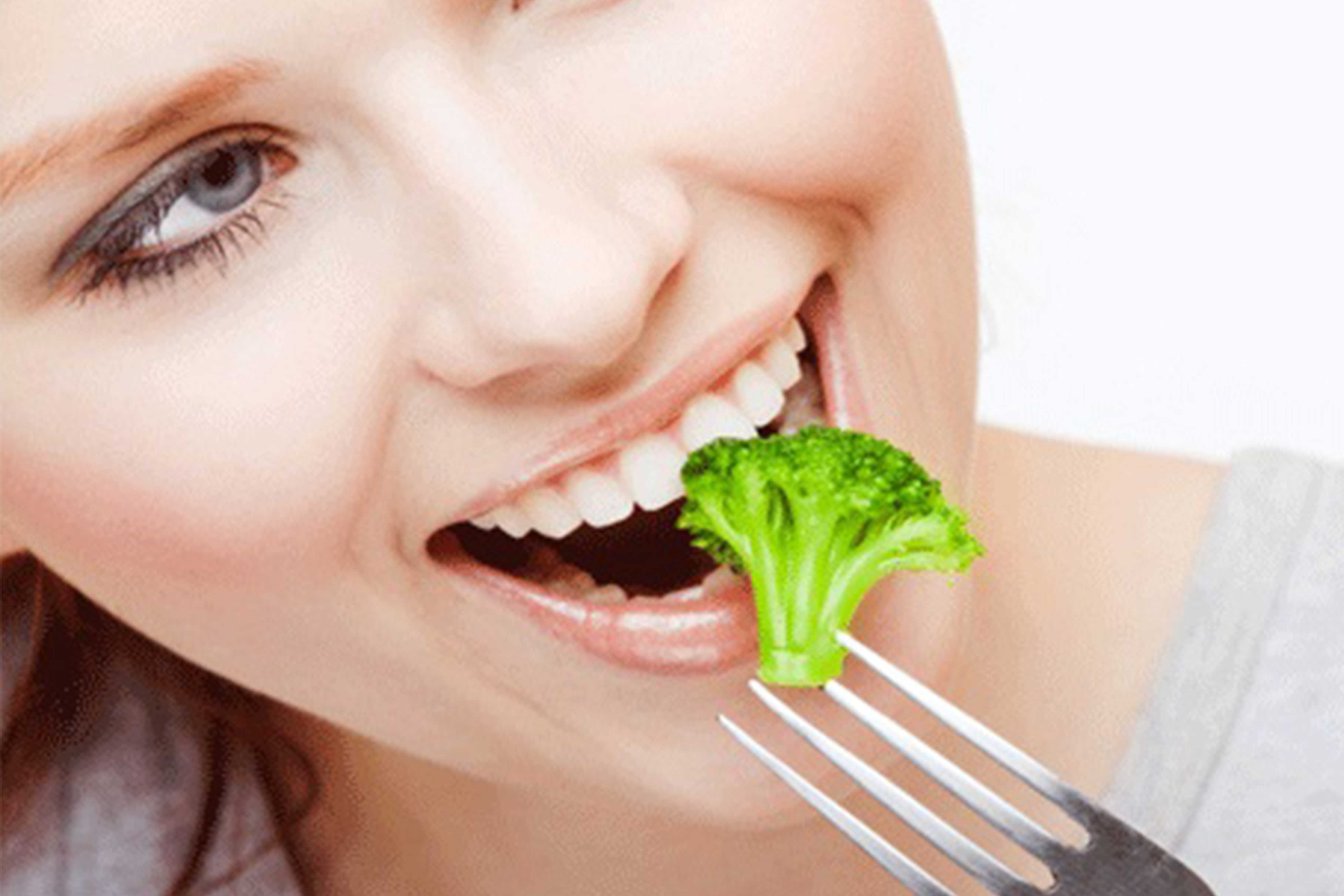
Nutritional research suggests that the more green, leafy vegetables you eat, the healthier your eyes and vision will be. Several studies show that people who eat such vegetables, including spinach, kale, collards, and dark green lettuce, are at a lower risk of developing macular degeneration and cataracts. The beneficial effect of these vegetables seems to come from the pigments that produce their dark, green color.
These pigments are the antioxidants known as lutein and zeaxanthin. Lutein and zeazaxthin are both found in the retinas of the eyes, and help to lower the risk of both macular degeneration and cataracts. Macular degeneration, the leading cause of blindness in seniors, is caused by damage to the center of the retina, called the macula. A cataract is a clouding of the eye's lens. Both of these eye diseases seem to be caused by free radicals...lutein and zeaxanthin are chemicals that work to neutralize these free radicals.
Omega-3 fatty acids are also effective for protecting the eyes. Studies show that Omega-3 deficiencies in the diet may lead to problems with vision. Omega-3 fatty acids are not produced by the body, so they must be included in the diet. Good sources include fish, especially shellfish, walnuts and wheat germ.
Nutrients for Healthy Eyes

Do you eat foods that promote healthy eyes? Did you know that certain vitamins and nutrients play an active role in some types of eye disease or chronic eye conditions?
1. Lutein
Recommended: 10 mg per day. Lutein is one of more than 600 known naturally occurring carotenoids. Lutein was found to be present in a concentrated area of the macula, a small area of the retina responsible for central vision. Lutein helps protect the eyes from oxidative stress and high-energy light. This nutrient is found in dark, green, leafy vegetables such as spinach and collards, and also corn and eggs.
2. DHA/EPA
Recommended: 500 mg per day.EPA/DHA is an essential fatty acid which stands for docosahexaenoic acid and eicosapentaenoic acid. These polyunsaturated fats play a very important role in the function of our bodies, and seem to be necessary for healthy eye function. These essential fatty acids are found in flat seeds and fleshy fish such as tuna or salmon.
3. Vitamin C
Recommended: 500 mg per day. Vitamin C is a water-soluble vitamin that is necessary for normal growth and development. Studies suggest that high levels of vitamin C can reduce the risk of cataracts and also play a role in delaying age-related macular degeneration. This vitamin is found in our favorite morning beverage - orange juice. Other citrus fruits are also a good source of Vitamin C.
4. Vitamin E
Recommended 400mg per day. Vitamin E is the collective name for a set of 8 fat-soluble vitamins with antioxidant properties. Some studies suggest that Vitamin E helps to prevent cataracts, and it might be another factor in delaying macular degeneration. Vitamin E is found in nuts, salads, peanut butter, cereals, sweet potatoes and margarine.
5. Copper
Recommended: 2 mg per day. Copper is a trace nutrient essential to all high plants and animals. It can act as an antioxidant, scavenging damaging particles in the body known as free radicals. Free radicals may contribute to the aging process as well as the development of a number of health conditions. Copper is found in mixed nuts, sunflower seeds, liver, beans and lentils.
6. Zinc
Recommended: 40-80 mg per day. Zinc is an essential mineral found in almost every cell in the body. Zinc is important for a healthy immune system, for healing cuts and wounds, and for maintaining the senses of taste and smell. Red meat and poultry contain a good level of zinc. Zinc can also be found in oysters, fortified cereals, nuts and baked beans.
Home Eye Safety

Many of us don't think about eye safety in our own homes, but the average home is full of potential hazards to our eyes and vision. According to the American Academy of Ophthalmology (AAO), half of all eye injuries occur when doing everyday chores in and around the home. Fortunately, most of these eye injures can be prevented by following a few safety measures and using proper eye protection. The AAO recommends that every household contain at least one pair of American National Standards Institute (ANSI) approved eyewear.
Commonly referred to as "safety glasses," this protective eyewear can prevent up to 90 percent of eye injuries. Safety glasses should have polycarbonate lenses, which are strong, lightweight and shatterproof. They should be worn while using power tools, rotary mowers, line lawn trimmers, or hammering on metal, and when using any chemical.
(If you have good vision in only one eye, you should wear safety glasses to protect your good eye, even if you don't need glasses otherwise.) In addition to wearing protective eyewear, you can reduce the risk of eye injury for you and your family by following a few safety tips:
1. Install safety gates at the top and bottom of stairs
2. Cushion sharp corners and edges of furniture and fixtures
3. Keep all chemicals and sprays out of the reach of small children
4. Do not allow children to ignite fireworks
5. Keep children indoors while lawn equipment is in use
6. Select toys and games that are appropriate for your children's age and responsibility
7. Supervise your children when they handle dangerous items, including pencils, scissors, forks and knives
8. Discourage your children from playing with projectile toys such as dart, bows and arrows, and don't allow them to play with non-powder rifles, pellet or BB guns
9. Set a good example by wearing protective eyewear when needed
If an accident does happen, have a medical doctor or ophthalmologist examine the eye as soon as possible. Some sight-threatening eye injuries do not immediately appear to be serious. It's always best to play it safe by seeking the opinion of a professional.
Top 7 Good Habits for Good Eyesight
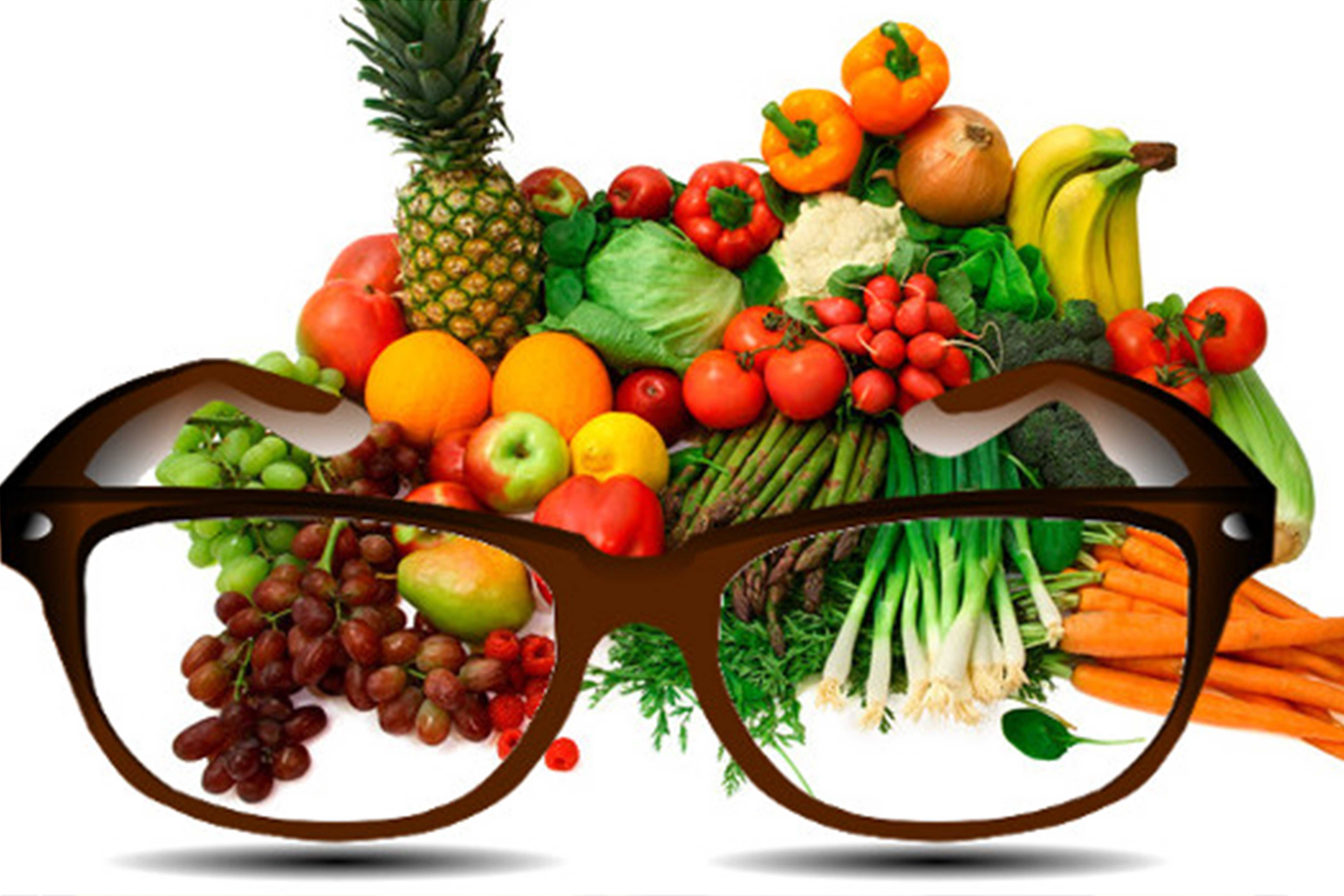
Having good eyesight greatly improves one's quality of life. Make a conscious effort to keep your eyes in their best condition by practicing the following good habits.
1. Protect Your Eyes With Sunglasses : Harmful ultraviolet light from the sun causes several known conditions to occur in the eye. Sunlight has been shown to speed up the development of cataracts and macular degeneration. It can also cause abnormal thickening or growths to form on the white part of the eye. Especially at risk are people who spend long hours in the sun, who have had cataract surgery or who are taking certain medications such as tranquilizers, tetracycline and diuretics. These drugs can cause sensitivity to sunlight. Furthermore, sunglasses reduce glare and bright light that may impede your vision and cause accidents.
2. Do Not Smoke : Smoking can cause you to develop cataracts and increases your risk for developing macular degeneration. People who smoke, have a poor diet and drink alcohol are prone to an optic nerve condition that can produce profound vision loss. Smoking is also a major irritant to patients with dry eye syndrome.
3. Limit Alcoholic Beverages Drinking alcohol dehydrates the body, including the eyes. Dry eye symptoms are much more likely to develop if you drink alcohol. Drinking large quantities of alcohol may cause nutritional problems and may lead to toxic amblyopia, an optic nerve disease.
4. Keep Blood Sugar Within Healthy Limits Continually challenging your body with foods that are rich in fat and sugar can put you at risk for developing large blood sugar fluctuations and eventually, diabetes. If you already have diabetes, keeping your blood sugar levels stable can prevent or delay the onset of diabetic eye diseases including diabetic retinopathy, glaucoma and cataracts. Blood sugar fluctuations can also make the natural lens inside the eye swell, resulting in large prescription changes. You may be nearsighted one day, then farsighted the next. When this occurs, a possible diagnosis of diabetes is usually considered.
5. Keep Blood Pressure and Cholesterol Under Control : High blood pressure can lead to hypertensive retinopathy, a condition that left untreated can result in blindness. In addition, high blood pressure has been found to increase your risk for eye diseases such as diabetic retinopathy, glaucoma and macular degeneration. High blood pressure in addition to high cholesterol places you at risk for developing a stroke or a central retinal artery occlusion. Strokes affecting one side of the brain often produce large blind spots in your vision. A central retinal artery occlusion is a "stroke to the eye" and usually produces profound vision loss.
6. Eat Antioxidant-Rich Foods : Foods containing antioxidants along with zinc have been shown to delay the progression of advanced macular degeneration by 25%. Although studies are controversial, antioxidants are believed to also delay cataract formation. Other nutrients, such as Vitamin A, play a vital role in good retinal health and aid in both color and night vision. Lutein and zeaxanthin, both carotenoid nutrients, have also shown positive side effects in macular degeneration patients. Omega-3 fatty acids were shown to help prevent recurrent styes and improve dry eye symptoms.
7. Have Regular Eye Examinations :Having a regular eye examination promotes eye health. It is easy to do, cost-effective and you might just learn a thing or two. Serious eye conditions are usually detected before vision or eye health is impacted. Regular eye exams also allow your doctor to measure your vision so that changes can be made to your prescription, ensuring your best possible vision. Your doctor will look deep inside of your eyes, checking for any signs of disease. Many eye diseases, if detected early enough, can be treated successfully without significant vision loss.